Press Kit
Krovna
A narrative-driven psychological folk horror game centered around exploration, spell mechanics, and unsettling world design.
Factsheet
Developer
Silver & Flame
Philadelphia, Pennsylvania
Release Date
TBD
Platforms
PC
Website
Description
Lika enters her family's house. She doesn't know why she was called here. The house shifts around her, doors lead somewhere new, objects appear and disappear, and something moves in the dark. To find her way out, she must uncover three acts' worth of family secrets. The house has been keeping them for generations. It will make the curse feel like a gift. It will give her every reason to stay and continue the bloodline curse. At the end, it offers her a choice: bond with the house, or break the cycle. The same choice it has always offered. No one has ever chosen differently.
History
Krovna began in September 2025 as a senior capstone project developed by a team of 15 Drexel students. Bringing together game designers, programmers, animators, writers, and UX/UI designers, the team set out to create a narrative-driven horror experience that felt immersive. Early in development, the project was highly experimental, with a strong focus on randomness through shifting rooms, portals, and constantly changing spaces.
As development progressed, that early chaos was gradually refined into a more intentional system. With guidance from advisors and ongoing playtesting, the team shifted away from unpredictability for its own sake toward a curated experience in which each environmental change supports the story. This evolution helped connect gameplay more closely with narrative, turning what was once an open-ended experiment into something more structured and meaningful.
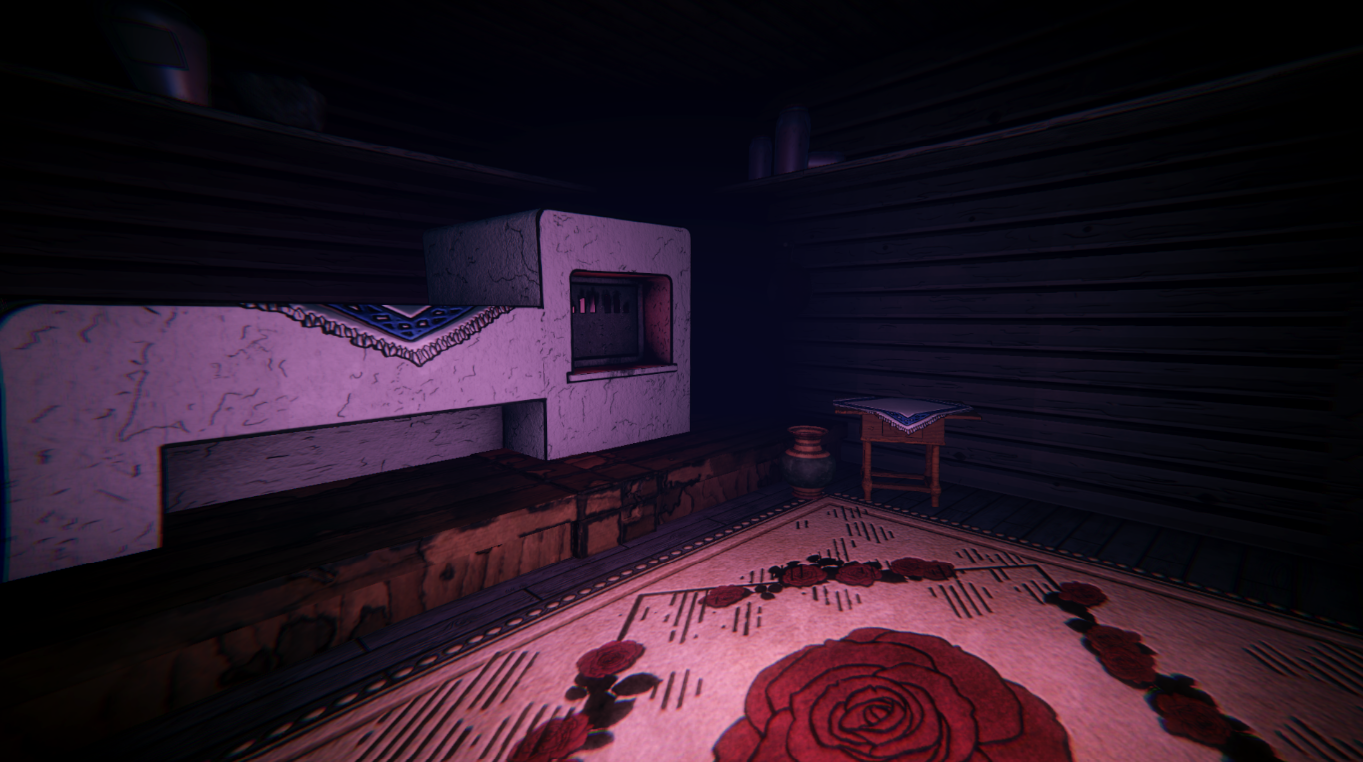
At the same time, the story and visual identity became more defined. Centered on Lika and a generational cycle affecting her family, the game uses symbolic figures such as the lynx, bear, and raven to represent corrupted forces in each act. Inspired by Slavic art and folklore, the visual style blends dark tones, wood textures, and subtle storybook elements. Over time, Krovna evolved into a cohesive experience in which every design choice works together to deepen the player’s understanding of the house and their place within it.
Features
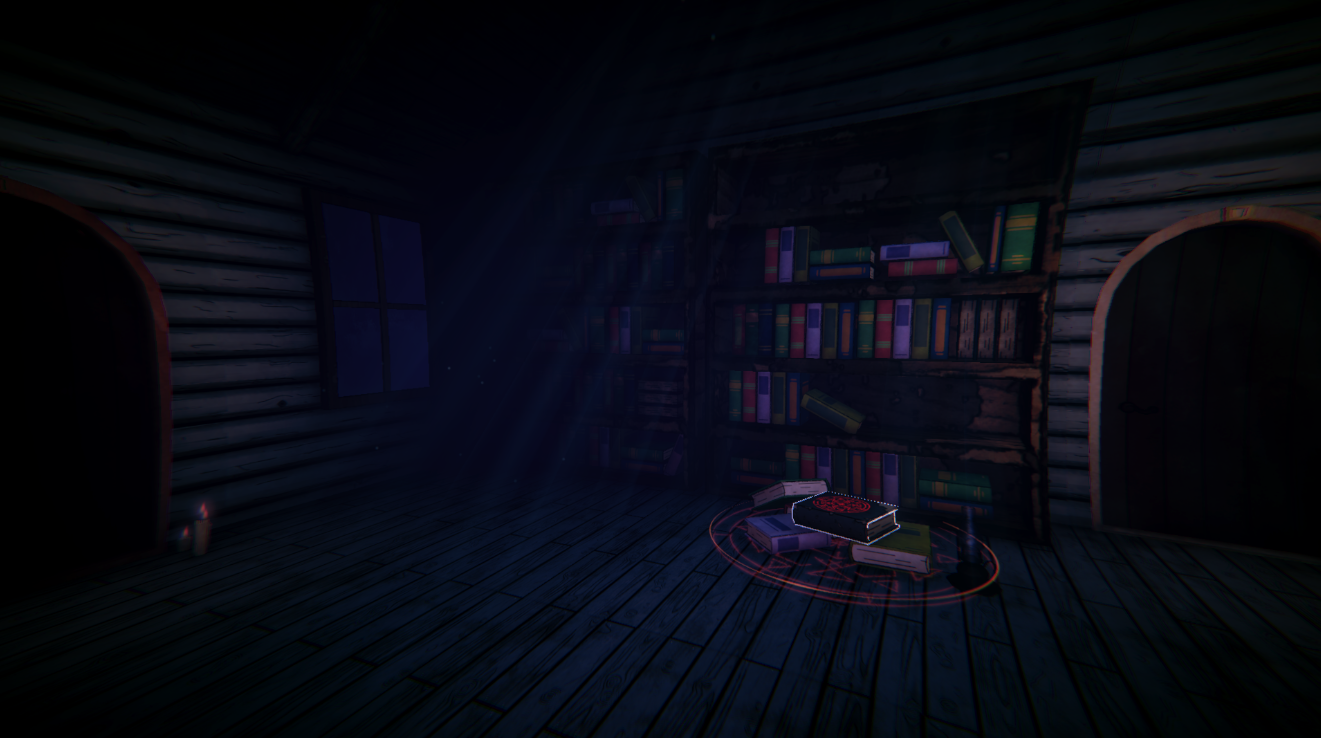
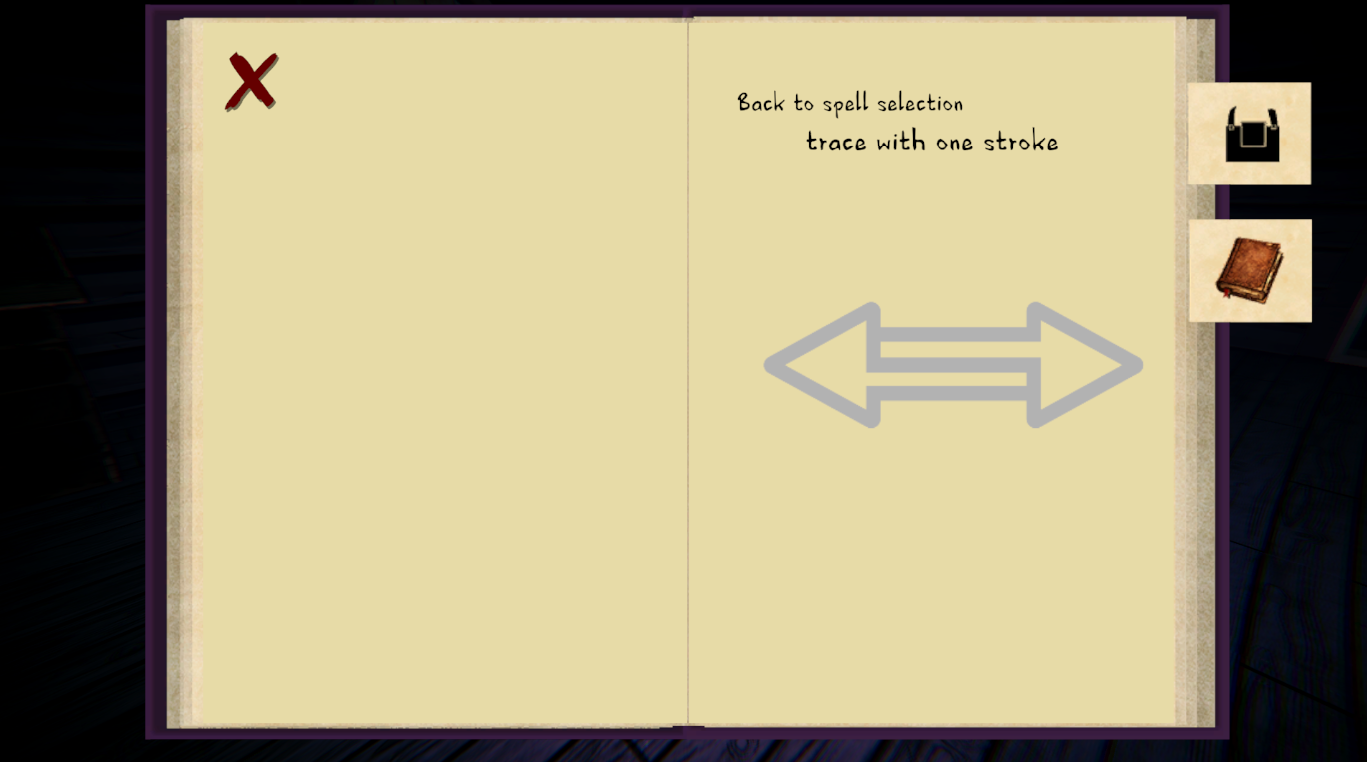
- A living, shifting house that responds to the player, hiding and revealing paths through three core spells: Switch, Rotate, and Flash
- Spell-based gameplay that directly manipulates the environment to solve puzzles and progress
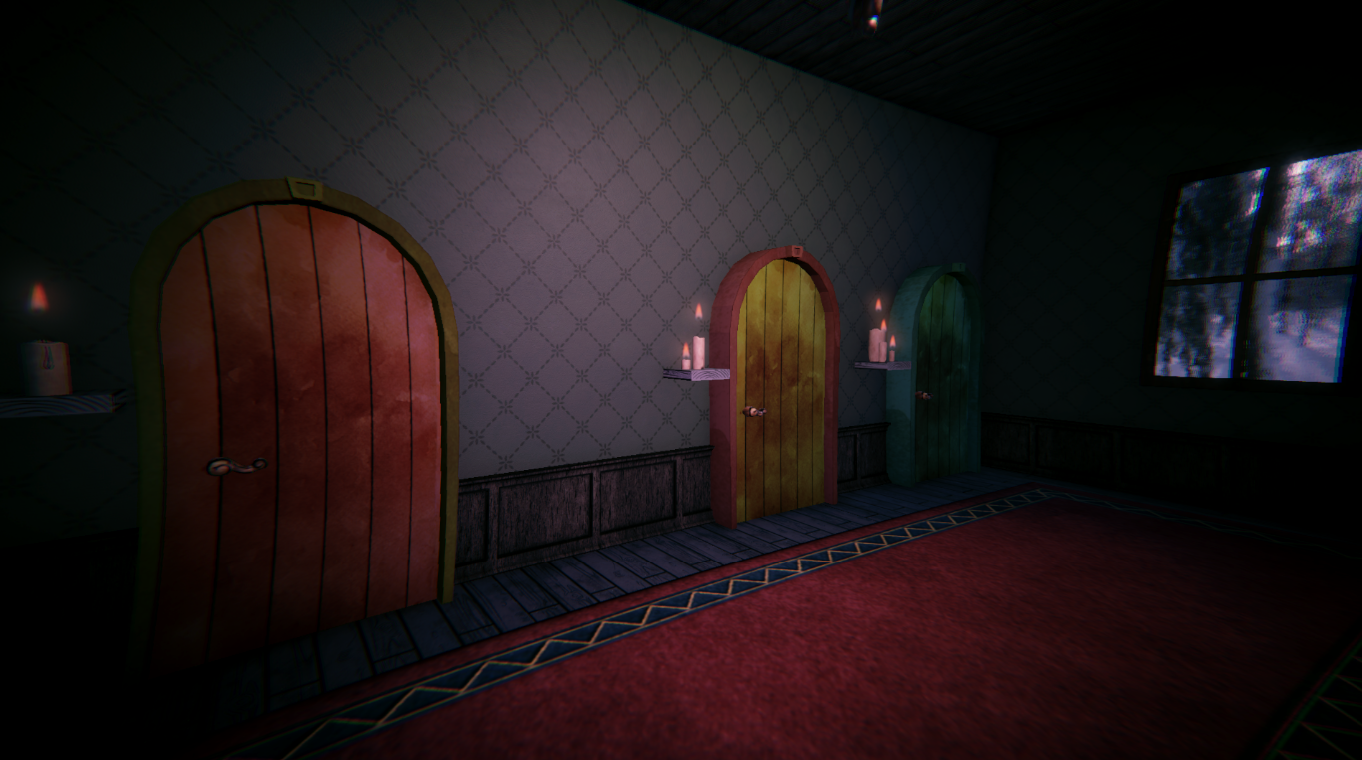
- Switch spell that swaps mismatched door frames, allowing blocked paths to open
- Rotate spell that realigns entire rooms, changing layouts and unlocking new routes
- Flash spell that reveals hidden objects, removes illusions, and temporarily freezes enemies
- Environmental puzzles embedded into the house itself, including mismatched doors, rotating spaces, and deceptive or invisible objects
- Three acts of escalating difficulty that build from learning individual spells to combining them under pressure
- A narrative centered on Lika and a generational cycle, uncovered through exploration
- Lynx, the current vessel of the house, revealed as Lika’s corrupted uncle
- Act progression tied to emotion and understanding: grief and confusion, growing anger, and full awareness
- Multiple endings based on player choice, including one that can be triggered unintentionally
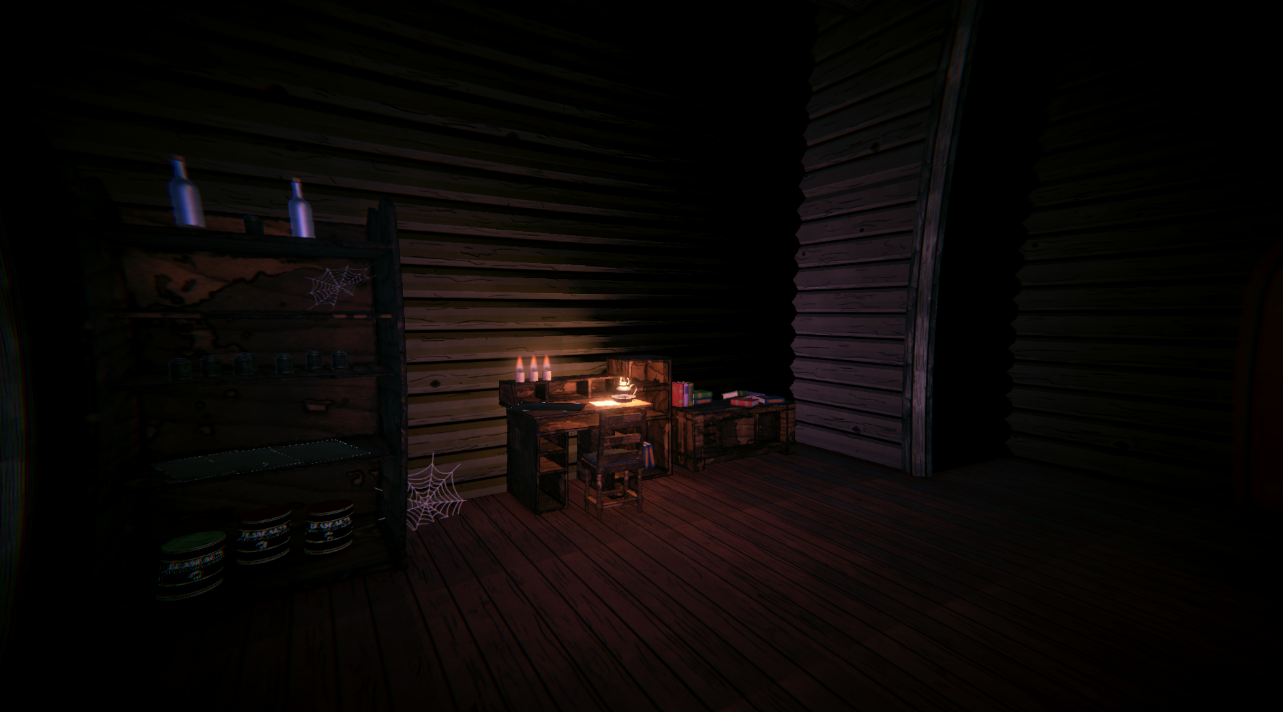
- A folk horror atmosphere inspired by Slavic domestic imagery, featuring samovars, icons, dried herbs, armchairs, and feather pens
Videos
Trailer
House Corruption
Images
Logo


Team
Producer
Chuanhui Yan
Programming Lead
Chase Padilla
Creative Director
Kamilla Akmedova
Art Lead
John Guilfoyle
Graphic/Marketing Designer
Jacob Bruckheim
Illustrator & Animator
Daniella Solari
Bot Wrangler
Livy Guard
3D Modeler & QA
JaYoung Pan
UI/UX
Brianna Presgraves
Narrative Designer
Tavin Peterson
Narrative Designer
Anakin Rosales
Programmer
Jack Mordock
UI System Developer
Nam Hoang
Programmer
Jae Lee
Programmer
Daniel Goetz